LT


Maintenance
If you want your bicycle to last as long as possible, it needs to be maintained properly and on time. And it’s not limited to just washing or greasing the chain. It is no less important to periodically check the condition of the brake pads, check the tire pressure and tread, see if the assemblies are not loose and if the gears are shifting properly. For this, you need to have at least a minimal set of bicycle tools, lubricants and other supplies.
Showing 1-48 of 1594 item(s)
- -89.05 €
- Discount
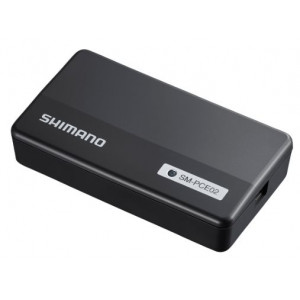
Diagnostic tool Shimano STEPS SM-PCE02 PC linkage
e-price
€179.95
* €269.00
Compare
Available
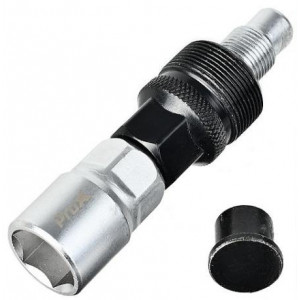
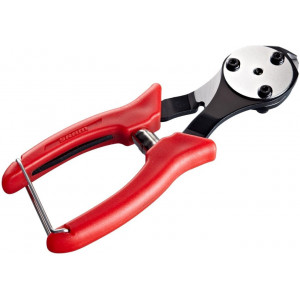
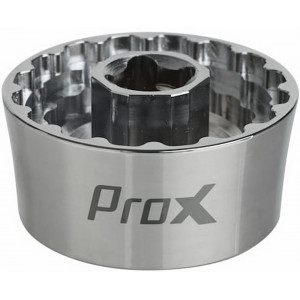
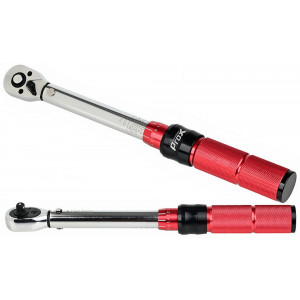
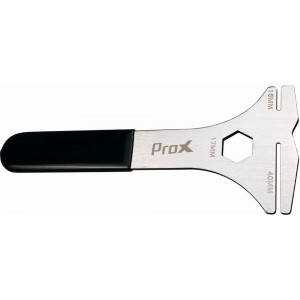
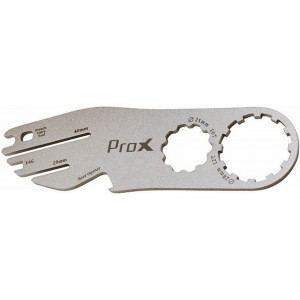
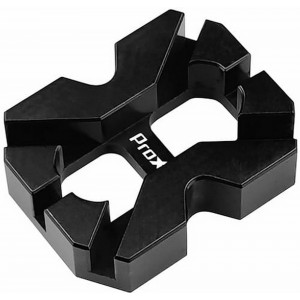
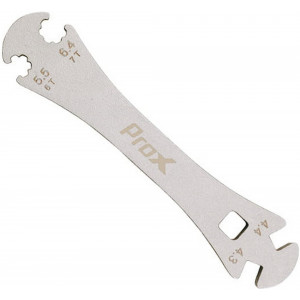
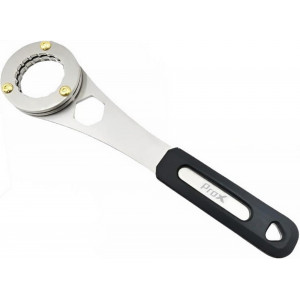
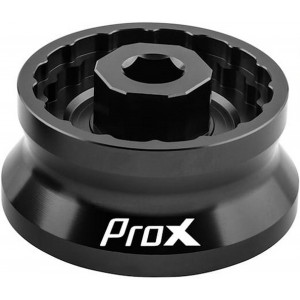
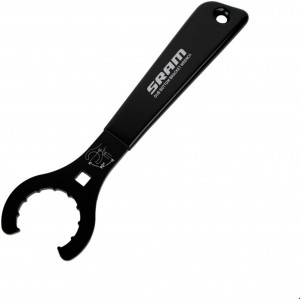
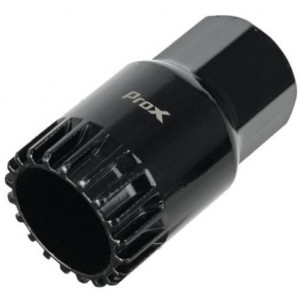
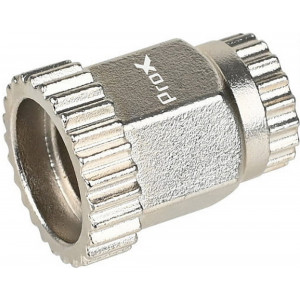
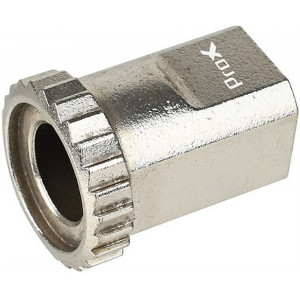
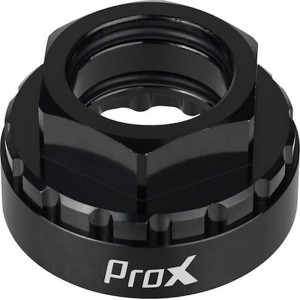
Tool ProX BB-16H for bottom bracket Hollowtech II BBR60/DUB12T/BB3086
Price
€25.95
Compare
Available
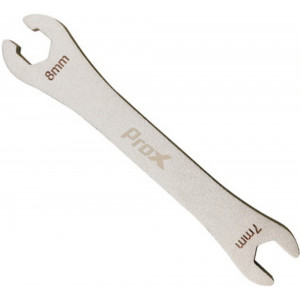
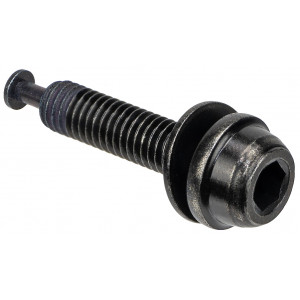
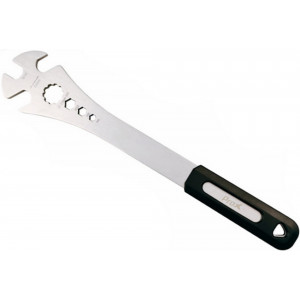
Tool ProX WR-04 for hydraulic disc brake hose bolt removal/installation 7/8mm
Price
€7.05
Compare
Available
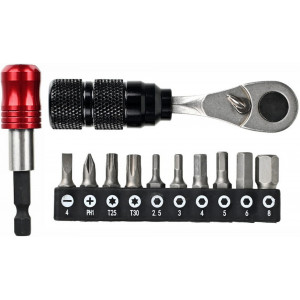
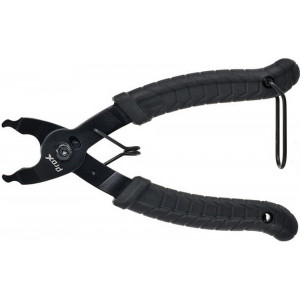
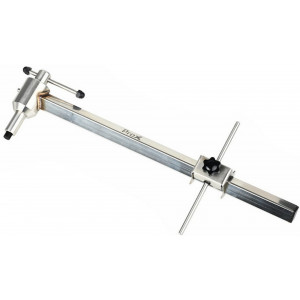
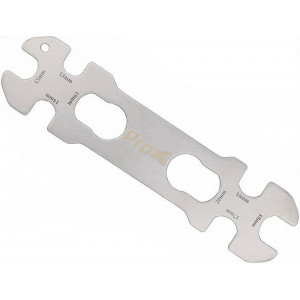
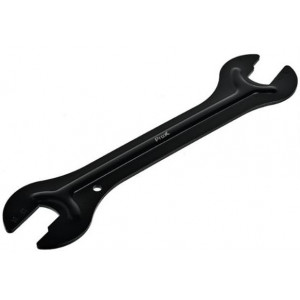
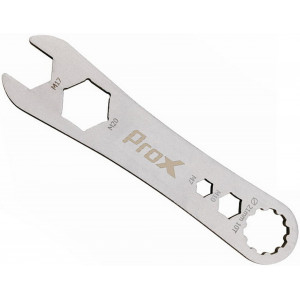
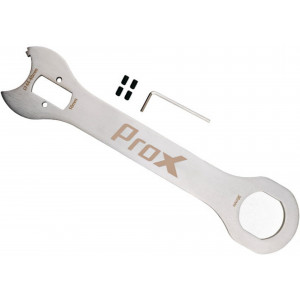
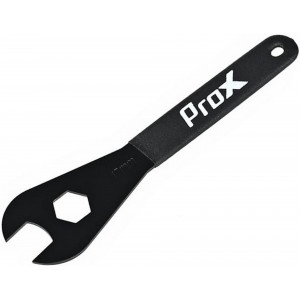
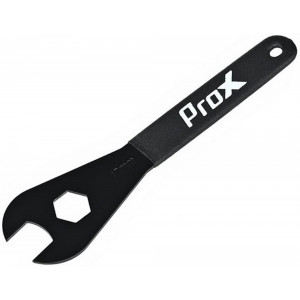
Tool ProX WR-05 Multifunction for hub cones 13/14/15/16/17/18/19/20mm
Price
€10.95
Compare
Available
Maintenance
To make your bike last as long as possible, it needs to be maintained properly and on time. If you've had the same bike for a long time, no matter how responsibly you maintain it, sometimes a part needs to be repaired or replaced. Some parts even have usage recommendations for how long they should last. Knowing this can help you prepare for your bike upgrade. By ensuring that your bike's parts are working flawlessly, you ensure your safety and the longevity of the bike itself.
Chain
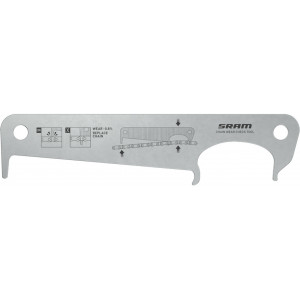
Currently manufactured bicycle chains (depending on riding, maintenance conditions, manufacturer) maintain the same quality after approximately 2,414 – 4,023 km of mileage. The wear of the chain is checked with a special tool that shows whether it has stretched to an unsuitable length for use. To prevent premature wear of the chain, special chain lubricants, degreasers and anti-dirt agents should be used.
Rear sprocket
Even with proper bicycle maintenance, a worn sprocket will also negatively affect the rear sprocket over time. It is usually recommended to replace the rear sprocket when changing the second or third chain. The sprockets should be replaced if you notice that the teeth are worn or missing. To maintain the proper quality of the sprocket, it is recommended to regularly clean them of dirt and keep the pads clean.
Brake pads
Brakes are a key safety component, so if they break or work poorly, you will not be able to control the bike, which poses a danger to both yourself and others. Just like in cars, bicycle brake pads wear out over time due to frequent use. V-shaped road bike brakes should be replaced when the rubber is worn out (the teeth and grooves of the new brakes are no longer visible). For disc bikes, it is recommended to replace the brakes when the 3-4 mm wide pads reach 1 mm thick.
Tires
Tires usually have wear indicators, so by following the markings you can clearly see when the tires are in order and when it is advisable to replace them with new ones. Of course, if a tire is punctured, it is recommended to replace it as soon as possible, rather than trying to repair a puncture in various ways. Reminder: the front tire wears out faster than the rear tire.
Cable
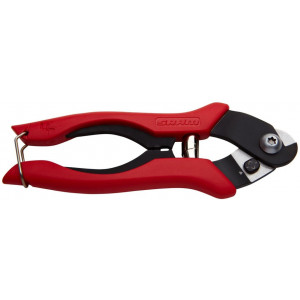
These parts should also be lubricated regularly and the condition of the bike should be constantly monitored, otherwise they may start moving quickly due to dirt, rust or even breakage. This is a small part of the bike and is quite easy to replace (it is recommended to replace the cable armor at the same time). Replacing this part also ensures faster braking and gear shifting.
Of course, the fact that these parts are highlighted separately does not mean that other parts of the bike do not need maintenance. All parts should be replaced if they break or pose a risk to the safety of the cyclist or other road users.
In spring, more and more cyclists take to the streets, but some even go into the city without checking their bikes after the winter. Cycling is only safe if all parts are checked and working as intended. Therefore, checking your bike before riding is simply necessary to avoid accidents.
Wheels and tires
Repairing damaged rims and worn tires doesn't take long, so it's important to take care of them before riding. Tires should be evenly distributed across the rim and should not have dangerous scratches. Non-dangerous scratches should be sealed - if left untreated, they can burst while riding. If you notice a blister or severe tire wear, it's best to replace it immediately. Finally, turn the entire wheel and check for creaking sounds - this may indicate that the wheel nuts need to be tightened more tightly. Don't forget to inflate your tires before riding.
Brakes
When checking your bike, you should also check the brakes – make sure the brake pads don't get stuck when you turn the wheel and that they slide well. Then you can brake – if they don't grip the wheel properly, the pads may need to be replaced or repaired. Check that none of the cables are broken. The brakes should be flush with the disc.
Gearbox, pedals and chain
Before riding, check how the gears shift: shift all gears one by one with the derailleur and check that the chain moves easily from one sprocket to the next. The gear shifting should work smoothly. When checking the pedals, you should turn them a few times and make sure that the crank is working properly and that it doesn't get stuck when turning.
When turning the pedals, you should also check the chain. The chain should rotate easily without getting stuck anywhere. It should not have any worn or broken teeth. Also check that the chain is not missing any teeth. The chain should be greased before riding.
Final check
After the inspection, check that the frame does not have any cracks that could damage it. If you notice any major cracks, you should take the bike to a professional. Check all the nuts - they should be tightly tightened. The saddle should be adjusted - set the correct height and inclination. The handlebars should be securely attached and at the correct height.
After such a check, all that is missing is a helmet and vest and you are ready to hit the streets.
In the bikko.bike bicycle store you will find a wide range of maintenance products. The products sold in our store are new, high-quality and stylish.
In the Bikko.bike bicycle store you will find a wide range of bicycle maintenance products. The products sold in our store are new, high-quality and stylish.
Maintenance products are sold online – in our e-store bikko.bike.